
Get DIRTY! March Seed Starting Workshop
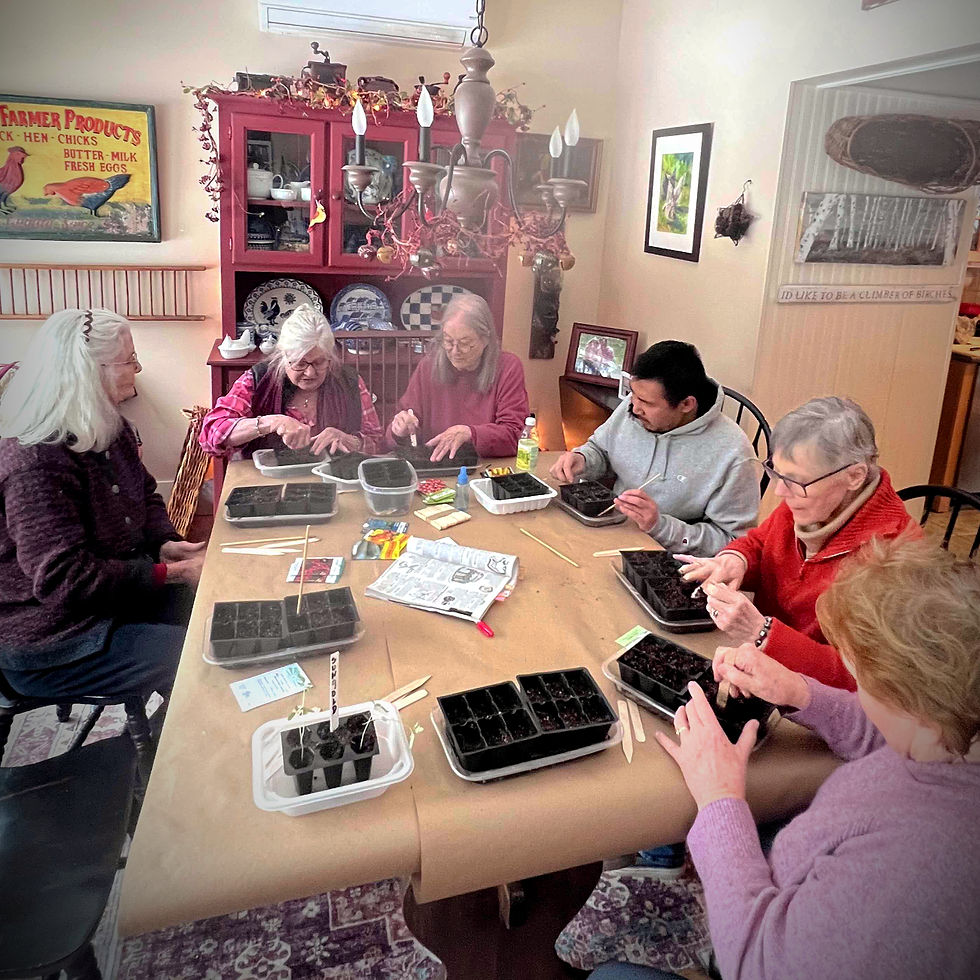
The GCW General Meeting in March will be a hands-on seed starting workshop that Beth Maxwell and I will lead. March is a great time to start hot-climate vegetables and many annuals indoors. Giving these plants an early jump on the season so that they can go into your garden when the spring soil has warmed will yield strong plants and good crops. In addition, working with soil and seeds is the best way I know to defeat the winter doldrums.
The club will provide seed-starting medium, planting trays, and seeds (cherry tomatoes). But to maximize your experience, it is recommended that you select and ORDER NOW the vegetable and annual varieties that you will most enjoy nurturing.
Vegetables:
Tomatoes, basil, peppers, eggplant, cauliflower, broccoli, celery, brussels sprouts, scallions, onions, leeks, and squash will benefit from a March start.
Annuals:
Zinnias, marigolds (especially the French), cosmos, and snapdragons are good March starters.
Read seed descriptions carefully. In addition to your favorite varieties, why not stretch your tastes and grow something that's new to you? Informative catalogues offer fairly honest thumbnail descriptions that include disease resistance, yield, and maturity dates, and percentage of germination success. Illustrations/photos are helpful.
Reliable catalogues and local purveyors of seed (my very subjective list):
For hands-on shopping, Ames True Value Hardware and big box stores usually offers multiple carousels of seeds, but the only information they offer is on the seed packs.
Go online or call to request a catalogue. Most of these companies offer online ordering.
Planting Trays:
Don't hesitate to reuse seed trays from garden centers or previous projects in your home. Wash them thoroughly with soapy hot water. The plastic trays grocers use for meats can be turned into seed starters, as can toilet paper, paper towel, and giftwrap cardboard tubes; they are great for long roots and vines.
Bring as many seeds as you can comfortably expose to light and heat at one time. DON'T OVEREXTEND YOUR SEED STARTING. Concentrate on what you'd most like to see succeed. Think about how much planting space you'll have. Staggering production is an art learned by trial and error. Less is more.
This little article is just the beginning of the advice that Beth Maxwell and I - and the many good gardeners in our club - will share in March.
The most important takeaway? Arrive at the meeting with SOME SEEDS OF YOUR CHOOSING.
Need advice? Feel free to text me at [Canny - Phone number listed in Yearbook (note that the area code is NOT Maine's)] Please use the button below to RSVP to this event.


Thanks for the great newsletter, very informative. I am excited to join the potluck and looking forward to the seed planting.